Dilapidations Claims and Expert Witness Evidence
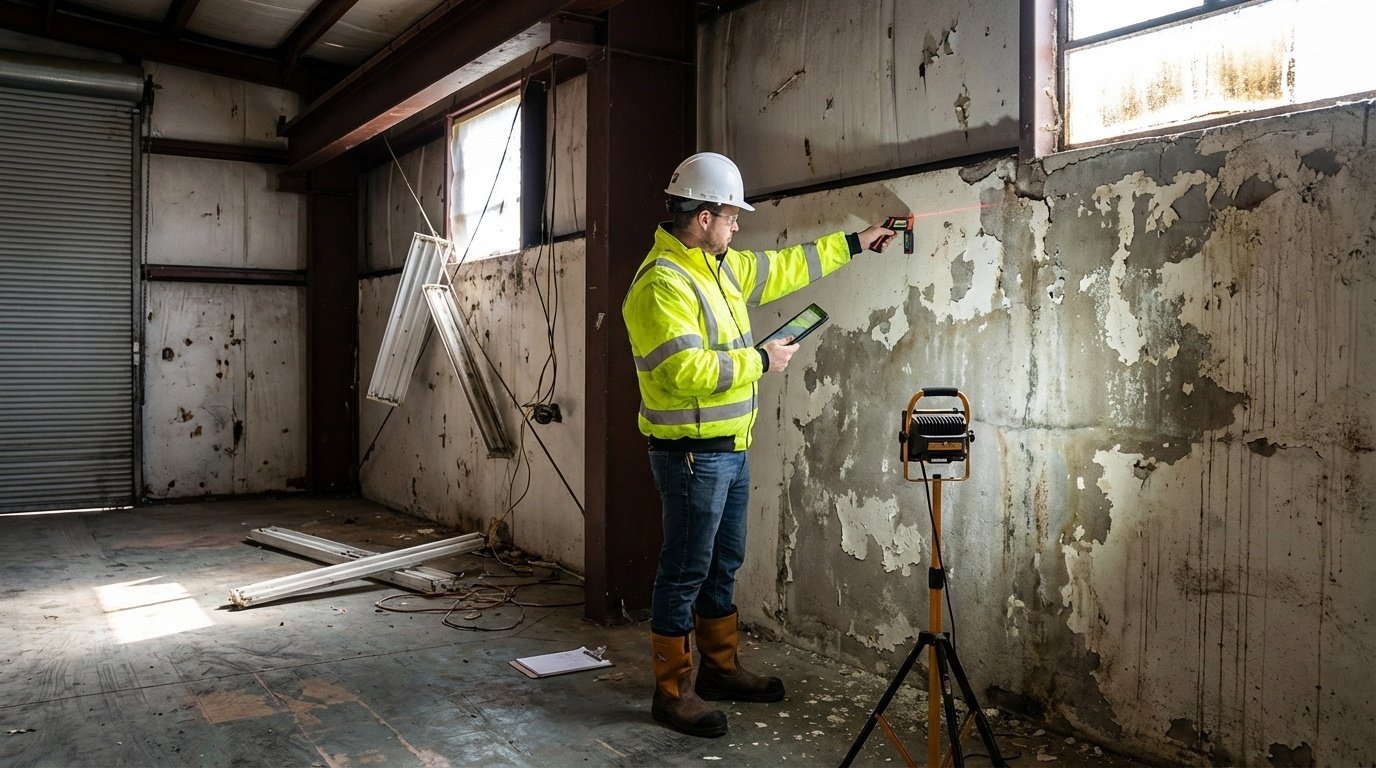
Dilapidations claims represent a significant area of commercial property disputes where expert witness RICS chartered surveyors provide essential evidence establishing lease obligations, assessing breaches, and quantifying remedial costs. When commercial tenants fail to maintain and repair leased premises according to lease covenants, or fail to reinstate premises at lease end, landlords pursue dilapidations claims to recover costs of remedial works and losses. Understanding dilapidations principles and the expert evidence required is crucial for landlords, tenants, and property professionals navigating these complex disputes.
Understanding Dilapidations Obligations
Dilapidations refer to breaches of tenant covenants in commercial leases requiring premises maintenance, repair, decoration, and reinstatement. Commercial leases typically impose detailed obligations governing how tenants must look after properties during tenancies and what condition properties must be returned in at lease end. When tenants breach these obligations, landlords can pursue dilapidations claims for financial compensation enabling remedial works completion.
Lease covenants vary significantly between different leases and property types. Common obligations include repairing covenants requiring maintenance of premises in good repair and condition, decorating covenants specifying internal and external redecoration frequency, reinstating alterations where tenants have modified premises, statutory compliance obligations, and yield-up obligations requiring premises return in specified condition at lease end.
Expert witness evidence from RICS expert witnesses is essential for interpreting covenant language, assessing whether breach has occurred, specifying remedial works required, and quantifying claim values. The specialized nature of dilapidations work means that general building surveyors may lack the specific expertise required—dedicated dilapidations specialists with commercial property experience provide the most authoritative evidence.
Types of Dilapidations Claims
Terminal Dilapidations
Terminal dilapidations claims arise at lease end when tenants vacate premises without fulfilling repairing, decorating, and reinstatement obligations. These claims typically involve the highest quantum as accumulated disrepair over entire lease terms is addressed. Landlords serve Schedules of Dilapidations documenting breaches and specifying required works following lease expiry or tenant vacation.
Terminal claims are subject to Section 18(1) Landlord and Tenant Act 1927 which caps damages at the diminution in premises value caused by disrepair. This statutory cap prevents landlords recovering costs exceeding the actual loss suffered, particularly relevant where landlords plan redevelopment making some remedial works unnecessary.
Interim Dilapidations
Interim dilapidations claims arise during ongoing leases when landlords serve notice requiring tenants to remedy breaches of repairing and decorating obligations. These claims allow landlords to ensure premises remain in acceptable condition rather than waiting until lease end when extensive deterioration may have occurred.
Interim claims are not subject to Section 18 value caps, as premises remain let to tenants who continue benefiting from occupation. However, proportionality and reasonableness principles still apply—landlords cannot demand unreasonable works exceeding actual covenant requirements.
Pre-Action Claims
The RICS Dilapidations Guidance Note encourages pre-action engagement to resolve disputes without litigation. Before issuing proceedings, landlords typically serve Schedules of Dilapidations and allow reasonable periods for tenant response. Tenants may commission counter-schedules from their own surveyors challenging breach allegations, works specifications, or costs claimed.
Expert involvement at pre-action stages often achieves settlement through negotiation once both parties understand the strength of their positions based on expert assessments. Where settlement proves impossible, expert reports prepared during pre-action phases form the foundation of litigation evidence.
The Schedule of Dilapidations
Structure and Content
Schedules of Dilapidations are formal documents served by landlords setting out alleged breaches of lease obligations and specifying remedial works required. Prepared by chartered surveyors experienced in dilapidations, schedules typically include introduction referencing the lease and identifying relevant covenants, schedule of items describing each breach and required works, costs schedule quantifying each item, and appendices containing photographs, plans, and supporting documentation.
Each schedule item should reference specific lease clauses allegedly breached, describe observed disrepair or covenant breach, specify works required to remedy the breach, and state the estimated cost of those works. Clear, specific schedules enable tenants to understand allegations and prepare informed responses, facilitating settlement or narrowing disputes for trial.
Expert Preparation Requirements
Preparing robust Schedules of Dilapidations requires thorough lease analysis understanding covenant interpretation, detailed property inspection documenting all breaches, specification of appropriate remedial works complying with covenant requirements without betterment, accurate cost estimation typically requiring quantity surveyor input, and photographic documentation supporting breach allegations.
RICS Guidance Note on Dilapidations establishes professional standards for schedule preparation. Failure to comply with guidance may result in cost sanctions or schedules being challenged as inadequate. Expert witnesses preparing schedules must demonstrate compliance with professional standards while providing clear, defensible assessments of breaches and remediation requirements.
Responding to Dilapidations Claims: The Tenant's Position
Commissioning Counter-Schedules
Tenants responding to dilapidations claims typically commission building surveyors to prepare counter-schedules responding to landlord allegations. Counter-schedules (also called Response Schedules or Scotts Schedules) systematically address each item in landlord schedules, accepting, rejecting, or partially accepting allegations. Common tenant responses include challenging whether alleged breaches actually occurred, disputing whether lease covenants require specified works, arguing works claimed are unnecessary or betterment, and providing alternative lower cost estimates.
Effective counter-schedules require the same rigor as original schedules—detailed property inspection, careful lease interpretation, specification of agreed remedial works, and realistic cost assessment. Expert witness RICS professionals preparing counter-schedules provide authoritative evidence supporting tenant defenses against disproportionate or unfounded claims.
Section 18 Value Arguments
Terminal dilapidations defenses frequently invoke Section 18(1) Landlord and Tenant Act 1927 arguing that damages should be capped at diminution in premises value rather than full remedial costs. This defense requires valuation evidence from RICS chartered surveyors comparing premises value in actual condition against hypothetical value if covenant-compliant.
Where landlords plan redevelopment rendering remedial works unnecessary, or where premises can be re-let in current condition without significant rent reduction, Section 18 caps may substantially reduce damages. Expert valuation evidence is crucial to Section 18 defenses, requiring analysis of letting market conditions, rental values in different property conditions, and landlord intentions for premises reuse.
Quantifying Dilapidations Claims
Costs of Remedial Works
The primary measure of dilapidations damages is the reasonable cost of works required to remedy covenant breaches. Cost assessment typically involves building surveyors specifying works required and quantity surveyors preparing detailed cost estimates based on current construction rates, preliminaries, and professional fees.
Costs must reflect reasonable remediation methods without betterment—improving premises beyond their pre-breach condition. For example, if decorations were required every five years and last completed six years ago, redecoration costs are recoverable. However, if landlords specify premium finishes exceeding original specifications, courts may reduce costs to reflect covenant obligations rather than enhanced specifications.
Loss of rent during works periods may form part of claims where remedial works prevent immediate re-letting. Expert evidence must establish realistic works durations and demonstrate that premises cannot be let until works completion. Where phased works allow partial occupation or where premises require refurbishment regardless of dilapidations, rent loss claims may be challenged.
Diminution in Value Under Section 18
Section 18(1) limits damages to diminution in reversion value—the loss in premises value attributable to breaches. This requires comparative valuation evidence assessing premises value in actual condition and hypothetical covenant-compliant condition. The difference represents the Section 18 cap on damages.
Where diminution in value is less than remedial costs, the lower figure caps damages. This commonly occurs when landlords plan alterations rendering some remedial works unnecessary, or where letting markets tolerate disrepair such that rental values are minimally affected. Expert valuation evidence addressing Section 18 requires understanding of investment markets, letting conditions, and landlord intentions for premises redevelopment or re-letting.
Expert Evidence in Dilapidations Litigation
Building Surveyor Evidence
Building surveyors provide evidence on lease interpretation, whether alleged breaches actually occurred, property condition at lease commencement versus lease end, works required to remedy breaches and comply with covenants, appropriate specifications preventing betterment, and condition standards implied by lease language (e.g., "good and substantial repair").
Building surveyor experts must demonstrate specialized dilapidations experience and thorough understanding of commercial lease interpretation. General building survey expertise is insufficient without specific knowledge of dilapidations principles, lease covenant case law, and sector-specific repair standards. RICS accreditation provides assurance of professional competence meeting required standards.
Quantity Surveyor Evidence
Quantity surveyors provide cost evidence quantifying remedial works values. This includes detailed cost estimates for specified works, assessment of claimed costs for reasonableness, commentary on market rates for various work categories, and analysis of preliminaries, overheads, and profit margins.
Quantity surveyor evidence should be based on standard cost data sources such as BCIS, Spon's Price Books, or market quotations from contractors. Significant cost disputes between parties' quantity surveyors often narrow substantially at expert meetings once methodology differences are resolved and agreed unit rates applied.
Valuation Surveyor Evidence
Where Section 18 caps are invoked, chartered surveyors with valuation expertise provide evidence on premises value in actual disrepaired condition, hypothetical value in covenant-compliant condition, the diminution in value representing the Section 18 cap, letting market conditions and tenant demand, and landlord intentions for premises affecting whether remedial works would actually be undertaken.
Valuation evidence in dilapidations requires understanding of both investment property valuation and letting markets. Hypothetical valuations (property condition at lease end versus covenant-compliant condition) require careful judgment and supporting comparable evidence where available.
Common Dilapidations Disputes
Scope of Repairing Obligations
Disputes frequently arise over repair covenant scope. Full repairing obligations require tenants to maintain premises in repair regardless of condition at lease commencement or defect age. Internal repairing obligations may exclude structure and external repairs, limiting tenant responsibility. Qualified repairing covenants condition obligations on premises condition at lease commencement, preventing liability for pre-existing disrepair.
Expert evidence interprets covenant language applied to specific circumstances. Case law provides guidance on terms like "good and substantial repair," but application to individual properties requires expert judgment considering property age, character, and locality. Disputes over inherent defects (design or construction defects rather than disrepair from lack of maintenance) frequently require expert evidence distinguishing between repairable items and inherent defects outside repair obligations.
Alterations and Reinstatement
When tenants alter premises during leases, reinstatement obligations may require removal of alterations and restoration to original condition at lease end. Disputes arise over whether works constitute alterations requiring reinstatement or improvements that landlords should welcome. Where reinstatement would be wasteful (for example, removing valuable improvements that landlords would otherwise install), courts may decline to enforce literal reinstatement obligations.
Expert evidence addresses whether disputed works constitute alterations, whether reinstatement is practical and reasonable, costs of reinstatement works, and whether retention of alterations benefits or harms landlords. This analysis requires judgment about how different fit-outs affect premises value and lettability.
Settlement and Alternative Dispute Resolution
Dilapidations disputes often settle through negotiation, particularly after parties exchange expert evidence clarifying strengths and weaknesses of their positions. Realistic assessment of liability, quantum, and litigation risks encourages pragmatic settlements avoiding expensive trials. Expert witnesses can assist settlement by providing balanced advice helping parties understand likely trial outcomes.
Mediation provides a structured forum for settlement discussions with neutral mediators facilitating negotiations. Experts may attend mediations to provide technical clarification during discussions, enabling parties to resolve factual or technical disputes preventing settlement. Alternative dispute resolution typically offers faster, cheaper resolution than full litigation, particularly for moderate-value claims.
Conclusion: Expert Evidence in Dilapidations
Dilapidations claims involve complex commercial lease interpretation, detailed property condition assessment, and careful quantification of remedial costs subject to statutory limitations. Expert witness evidence from RICS chartered surveyors specializing in dilapidations provides the technical foundation for dispute resolution through negotiation, mediation, or litigation.
Whether acting for landlords pursuing claims or tenants defending against disproportionate demands, expert witnesses must combine technical competence in building surveying, quantity surveying, or valuation with thorough understanding of lease law and dilapidations principles. Comprehensive, balanced expert evidence assists parties and courts in achieving fair outcomes reflecting actual covenant obligations and genuine losses.
Our dilapidations specialists provide expert evidence and advisory services across all aspects of commercial lease end disputes. With extensive experience preparing Schedules of Dilapidations, counter-schedules, and expert witness reports for litigation, we deliver the authoritative evidence essential for successful claim prosecution or defense. Contact our dilapidations team to discuss your requirements and how our expert services can support favorable outcomes.
Frequently Asked Questions About Dilapidations
What is the difference between interim and terminal dilapidations?
Interim dilapidations are claimed during ongoing leases to enforce repairing obligations. Terminal dilapidations arise at lease end for accumulated breaches. Terminal claims are subject to Section 18 value caps, while interim claims are not, though proportionality still applies.
How long does a landlord have to serve a dilapidations schedule?
No specific time limit exists, but claims are subject to six-year limitation periods from breach occurrence. Delays may prejudice claims if evidence becomes unavailable or tenant arguments about premises condition at lease end are strengthened by delay.
Can tenants negotiate dilapidations claims?
Yes, most dilapidations disputes settle through negotiation. After reviewing schedules and counter-schedules, parties often agree compromises reflecting genuine liability while avoiding litigation costs. Cash settlements frequently represent discounts from full schedule values.
What is the Section 18 cap in dilapidations?
Section 18(1) Landlord and Tenant Act 1927 caps terminal dilapidations damages at the diminution in premises value caused by disrepair. This prevents landlords recovering costs exceeding actual financial loss, particularly where redevelopment is planned.
Should tenants carry out dilapidations works themselves?
Tenants can undertake works to comply with covenants before lease end, potentially reducing liability. However, works must meet covenant standards—poor-quality remediation may not satisfy obligations. Consult dilapidations specialists before committing to expensive works programs.
How much do dilapidations experts cost?
Schedule preparation fees typically range from £2,000-£10,000+ depending on property size and complexity. Expert witness services for litigation involve additional costs for report preparation, meetings with opposing experts, and court attendance. Costs should be proportionate to claim values.
Dilapidations Expert Witness Services
Specialist dilapidations surveyors providing schedules, counter-schedules, and expert evidence for commercial lease disputes.
Instruct Our Specialists