Surviving Cross-Examination: Essential Tips for Expert Witnesses
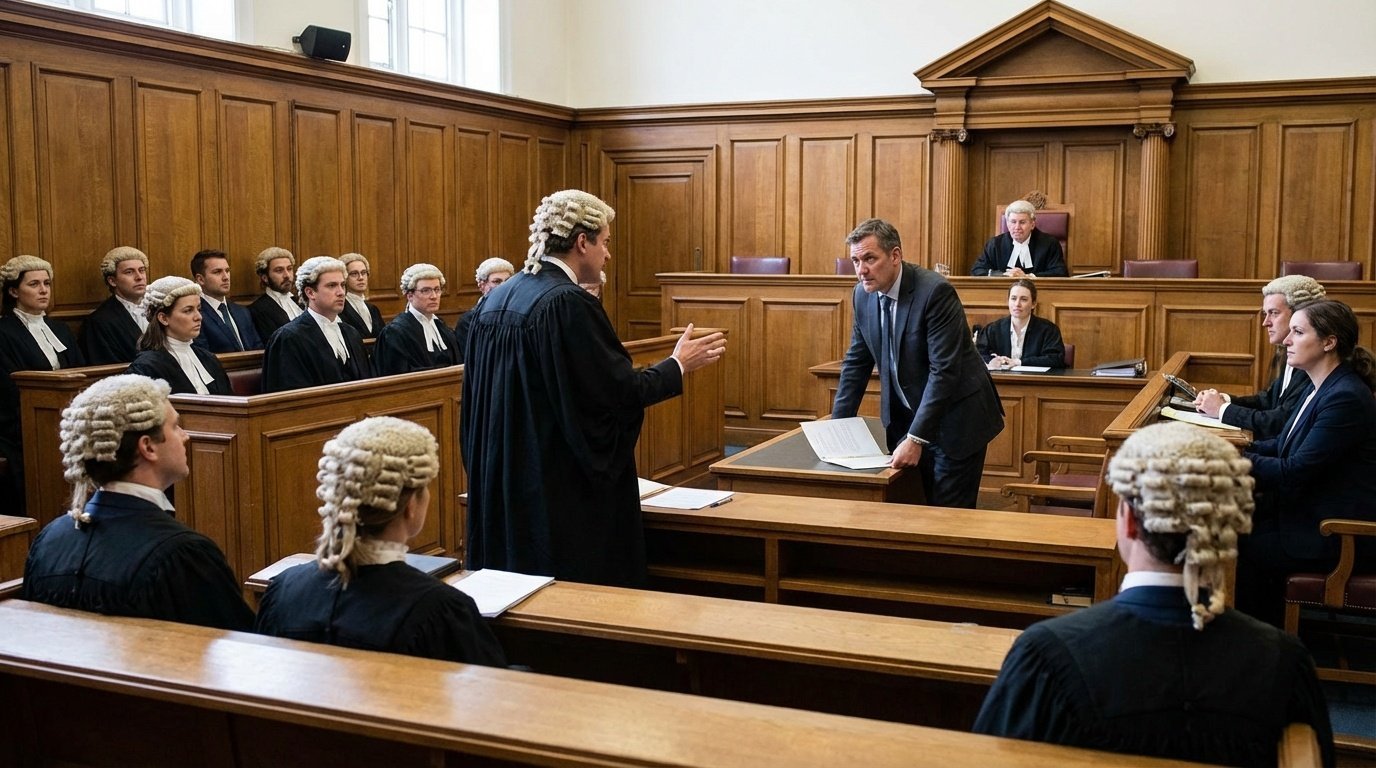
Cross-examination represents the most challenging aspect of expert witness work for many RICS chartered surveyors and property professionals. Hostile questioning from opposing counsel aims to undermine your credibility, expose weaknesses in your analysis, and ultimately diminish the weight courts attach to your expert evidence. This comprehensive guide provides proven strategies for surviving cross-examination with confidence, maintaining professional composure, and delivering credible testimony that withstands rigorous challenge.
Understanding the Purpose of Cross-Examination
Cross-examination serves several functions within adversarial legal proceedings. Opposing counsel uses cross-examination to test the reliability of your evidence, challenge your methodology and reasoning, expose any lack of independence or bias, highlight inconsistencies or uncertainties in your opinions, and present alternative interpretations of evidence favoring their client's position.
Unlike examination-in-chief where instructing counsel asks open questions allowing detailed explanations, cross-examination typically involves closed questions seeking yes/no answers or specific limited responses. This questioning technique aims to control your testimony, leading you through a predetermined narrative that supports the cross-examiner's case theory.
Understanding these objectives helps expert witness RICS professionals prepare effectively for cross-examination and recognize common tactics when they arise. Remember that vigorous cross-examination does not reflect personal attacks but rather represents counsel's professional duty to test evidence thoroughly on behalf of their client.
Preparation: The Foundation of Successful Cross-Examination
Master Your Report and All Case Documents
Thorough familiarity with every aspect of your expert report is essential. Re-read your report multiple times in the weeks before trial, ensuring you understand and can defend every statement, opinion, and conclusion. Refresh your memory regarding site observations, measurements, photographs, and calculations underlying your opinions.
Review all documents in the case bundle, including witness statements, opposing expert reports, relevant correspondence, and technical literature cited by any party. Anticipate questions about documents you may have overlooked or given insufficient weight to in your analysis. Being caught unaware of relevant documents during cross-examination damages credibility significantly.
Pay particular attention to the opposing expert's report. Understand their opinions, methodology, and reasoning. Identify areas of agreement and disagreement. Prepare explanations for why your approach or conclusions differ from theirs on disputed issues. The quality of your written report forms the foundation for effective oral testimony.
Anticipate Likely Lines of Attack
Work with instructing solicitors and barristers to anticipate probable cross-examination strategies. Common attack lines include questioning your qualifications and experience, suggesting insufficient investigation or missing information, highlighting assumptions underlying your opinions, identifying perceived inconsistencies within your report, contrasting your opinions with those of other experts, and suggesting bias toward the instructing party.
Draft potential difficult questions and practice answering them clearly and concisely. This rehearsal builds confidence and helps identify areas where your reasoning may need strengthening. Mock cross-examination sessions with instructing counsel provide valuable preparation, simulating the pressure of actual testimony.
Organize Your Materials
Prepare a well-organized court bundle with tabs marking key documents, photographs, and sections of your report. Being able to locate specific information quickly during testimony demonstrates competence and prevents the flustered searching that undermines credibility. Color-coded tabs or annotations can help you navigate complex bundles efficiently under pressure.
Prepare a summary sheet listing key facts, measurements, dates, and figures you may need to reference. This aide-memoire helps recall specific details without fumbling through lengthy documents. However, avoid over-reliance on notes—good preparation should enable you to discuss most matters from memory with documents providing backup verification.
Effective Testimony Techniques During Cross-Examination
Listen Carefully to Questions
Many experts make the critical error of anticipating questions rather than listening fully. Wait until the question is complete before answering. Take a moment to process what was asked and formulate your response. Rushing to answer often leads to misunderstandings, incomplete answers, or walking into traps set by skilled cross-examiners.
If you don't understand a question, ask for clarification. There is no shame in requesting that questions be rephrased—indeed, it demonstrates care and precision. Beware of multi-part questions containing several separate inquiries. Ask for questions to be broken down into individual components if necessary.
Answer Concisely and Directly
Answer the specific question asked without volunteering additional information unless necessary for accuracy or context. Cross-examiners design questions to elicit brief responses fitting their narrative. Lengthy explanatory answers give cross-examiners opportunities to interrupt, appear evasive, or provide additional material for challenge.
However, don't allow yourself to be forced into misleading simplifications. If a yes/no question cannot be answered accurately without qualification, explain this: "That question requires qualification because..." or "Yes, subject to the following important limitation..." Courts understand that technical matters often resist binary answers.
Maintain Professional Composure
Cross-examination often feels adversarial and sometimes becomes overtly hostile. Maintain professional composure regardless of questioning tone. Avoid defensive, argumentative, or emotional responses. Speak calmly and measured, even when challenged aggressively. Your demeanor influences how judges and juries assess your credibility as much as the content of your testimony.
If you feel attacked personally rather than challenged professionally, resist the temptation to respond in kind. A calm, professional response to inappropriate questioning often works to your advantage, demonstrating judicial temperament while making the cross-examiner appear unreasonable.
Admit Limitations and Uncertainties
Nobody expects expert witnesses to know everything or claim absolute certainty. Acknowledge limitations in your investigation, data, or analysis when appropriate. Admitting uncertainty on peripheral matters enhances credibility regarding your core opinions. Phrases like "I don't know" or "I would need to review that document to answer accurately" demonstrate intellectual honesty.
Distinguish between matters within your expertise and those beyond it. If asked about issues outside your specialism, acknowledge this clearly. Courts respect experts who define boundaries of their expertise rather than venture opinions on matters beyond their competence.
Handling Common Cross-Examination Tactics
The Leading Question Technique
Cross-examiners use leading questions suggesting the desired answer: "Isn't it true that...?" or "You would agree that...?" These questions attempt to make their assertions appear as your testimony. If the suggested proposition is inaccurate or misleading, don't acquiesce simply because the question assumes agreement.
Correct inaccurate premises: "No, that's not quite accurate because..." or "I would phrase that differently..." Don't be pressured into agreeing with characterizations of your evidence that misrepresent your actual opinions. In expert witness testimony, accuracy matters more than avoiding confrontation.
The "Wouldn't You Agree" Approach
Questions beginning "Wouldn't you agree..." or "Isn't it fair to say..." often introduce propositions sounding reasonable but actually containing subtle inaccuracies or implications you don't support. Listen carefully to the entire proposition before responding. If you agree with part but not all of a statement, make this clear: "I agree with the first part of that proposition but not the conclusion you draw from it."
The Hypothetical Scenario
Cross-examiners sometimes pose hypothetical scenarios asking how you would respond if facts differed from those you've assumed. These questions aim to show your opinions depend heavily on particular factual assumptions. Answer hypothetically: "If that were the case, then my opinion might differ, but that's not what the evidence shows."
Be cautious about accepting factual premises embedded in hypothetical questions. If the hypothetical mischaracterizes actual evidence, point this out before answering the hypothetical itself.
The Selective Reading Technique
Counsel may read selected passages from your report, other documents, or technical literature, then ask whether you agree with the quoted material. This technique often omits important context, qualifications, or surrounding text changing the meaning. Ask to see the full document or paragraph if necessary to answer fairly.
If you're asked whether you agree with an extracted quote that seems problematic, verify that it accurately reflects the original source and consider context before answering. Don't feel pressured to agree with isolated statements without proper context.
Challenging Your Qualifications
Less experienced cross-examiners sometimes attack witness qualifications, suggesting insufficient expertise, experience, or specialization. Respond confidently but without arrogance, referencing your qualifications, relevant experience, and specific expertise applicable to the issues. Your RICS accreditation demonstrates professional competence recognized by courts.
If challenged about specific experience gaps, acknowledge them while explaining how your broader expertise enables you to address the questions competently. For example: "While I haven't previously dealt with this exact type of property, my twenty years of experience with similar building defects provides ample foundation for my opinions."
Special Considerations for Property Expert Witnesses
Boundary Disputes
In boundary dispute cases, cross-examination often focuses on measurement accuracy, interpretation of title plans, weight attached to different evidence types, and alternative boundary interpretations. Be prepared to explain measurement methodology, equipment calibration, margin of error, and how you resolved conflicting evidence.
Have copies of scaled plans, photographs, and measurement data readily accessible. Being able to demonstrate your methodology visually to the court strengthens testimony significantly.
Building Defects
Building defect testimony faces challenges regarding causation, whether observed conditions constitute defects or acceptable tolerance variations, necessity and scope of remedial works, and cost estimates. Be prepared to defend your defect diagnosis with reference to applicable standards, building regulations, and technical literature.
Explain why your preferred remedial approach is necessary rather than less expensive alternatives. Justify cost estimates with detailed breakdowns if challenged. Acknowledge where ranges of reasonable opinion exist while explaining why you favor particular positions within those ranges.
Property Valuations
Valuation evidence faces scrutiny regarding comparable selection, adjustments applied, market conditions assumptions, and methodology choices. Be prepared to justify each comparable as appropriately similar, explain and quantify all adjustments, and defend your valuation methodology as appropriate for the property type and valuation purpose.
If opposing counsel presents alternative comparables, explain why yours are more appropriate while acknowledging any legitimate similarities in theirs. Demonstrate that your valuation falls within a reasonable range supported by market evidence even if opponents suggest different figures.
Post-Cross-Examination: Re-Examination and Further Questions
Following cross-examination, instructing counsel may conduct re-examination addressing points raised in cross-examination requiring clarification. Re-examination cannot introduce entirely new matters but can rehabilitate testimony damaged during cross-examination or clarify ambiguities created by questioning.
Be concise during re-examination, addressing specific issues raised without repeating earlier testimony unnecessarily. This is your opportunity to correct any misunderstandings created during cross-examination.
Judges may ask questions following counsel's examination. Judicial questions often seek clarification on technical points or attempt to understand your reasoning more clearly. Answer judicial questions directly and respectfully, avoiding any suggestion that you're advocating for either party. Your duty is to assist the court, and judicial questions provide an opportunity to fulfill that duty effectively.
Learning from Cross-Examination Experiences
Each cross-examination experience provides valuable lessons for future testimony. After trial, debrief with instructing solicitors and counsel about your performance. Identify areas where you handled questioning effectively and areas for improvement. Consider questions that surprised you or that you struggled to answer—these highlight preparation gaps to address for future cases.
Experienced RICS expert witnesses develop improved cross-examination skills through repeated exposure, learning from each experience. Consider attending expert witness training courses focusing on cross-examination skills, observing other experts' testimony when possible, and seeking feedback from legal professionals on your performance.
Conclusion: Confidence Through Preparation
Surviving cross-examination successfully requires thorough preparation, clear understanding of your role and duties, mastery of effective testimony techniques, and the confidence to maintain professional composure under challenging questioning. While cross-examination may never feel entirely comfortable, proper preparation transforms it from an ordeal to be endured into an opportunity to demonstrate your expertise and enhance the credibility of your evidence.
Remember that your role is not to "win" against the cross-examiner but to assist the court in understanding technical matters within your expertise. Maintain this focus, answer questions honestly and accurately, acknowledge limitations appropriately, and demonstrate professional competence throughout your testimony. These practices ensure that your expert evidence receives the weight it deserves in resolving property disputes justly.
Our experienced team of RICS accredited expert witnesses provides comprehensive expert evidence services including court testimony in complex property disputes. With extensive cross-examination experience across all property disciplines, we deliver credible, professional testimony that withstands rigorous challenge. Contact us today to discuss how our expert witness services can support your case.
Frequently Asked Questions About Expert Witness Cross-Examination
How long does cross-examination typically last?
Duration varies based on case complexity and the extent of disputed issues. Cross-examination may last from 30 minutes to several hours, occasionally spanning multiple court sessions for particularly complex cases. Prepare for extended questioning.
Can I refuse to answer questions during cross-examination?
You cannot refuse to answer relevant questions. However, if questions are inappropriate, unclear, or outside your expertise, you can request clarification or state that matters fall outside your area of competence. The judge will determine admissibility.
What if I realize I made an error in my report during cross-examination?
If you identify an error during testimony, acknowledge it immediately and explain the correction. Courts respect experts who recognize and correct mistakes. This demonstrates integrity and often enhances rather than diminishes credibility.
Should I ever get angry during cross-examination?
No, maintain professional composure regardless of questioning style. Losing your temper damages credibility and suggests lack of objectivity. If questioning becomes genuinely inappropriate, the judge will intervene—you don't need to defend yourself emotionally.
How should I dress for court testimony?
Dress professionally in formal business attire. For men, dark suit and tie; for women, conservative business suit or professional dress. Your appearance influences initial credibility perceptions and demonstrates respect for court proceedings.
Can I bring notes into the witness box?
Yes, you can refer to your report, working papers, and relevant documents. However, avoid reading from notes extensively. Use documents to verify specific details or refresh your memory, but deliver most testimony from your knowledge and recollection.
Experienced Expert Witness Testimony
Our RICS experts deliver confident, credible testimony in court, withstanding rigorous cross-examination in property disputes nationwide.
Instruct Our Experts