Party Wall Disputes and Expert Witness Resolution
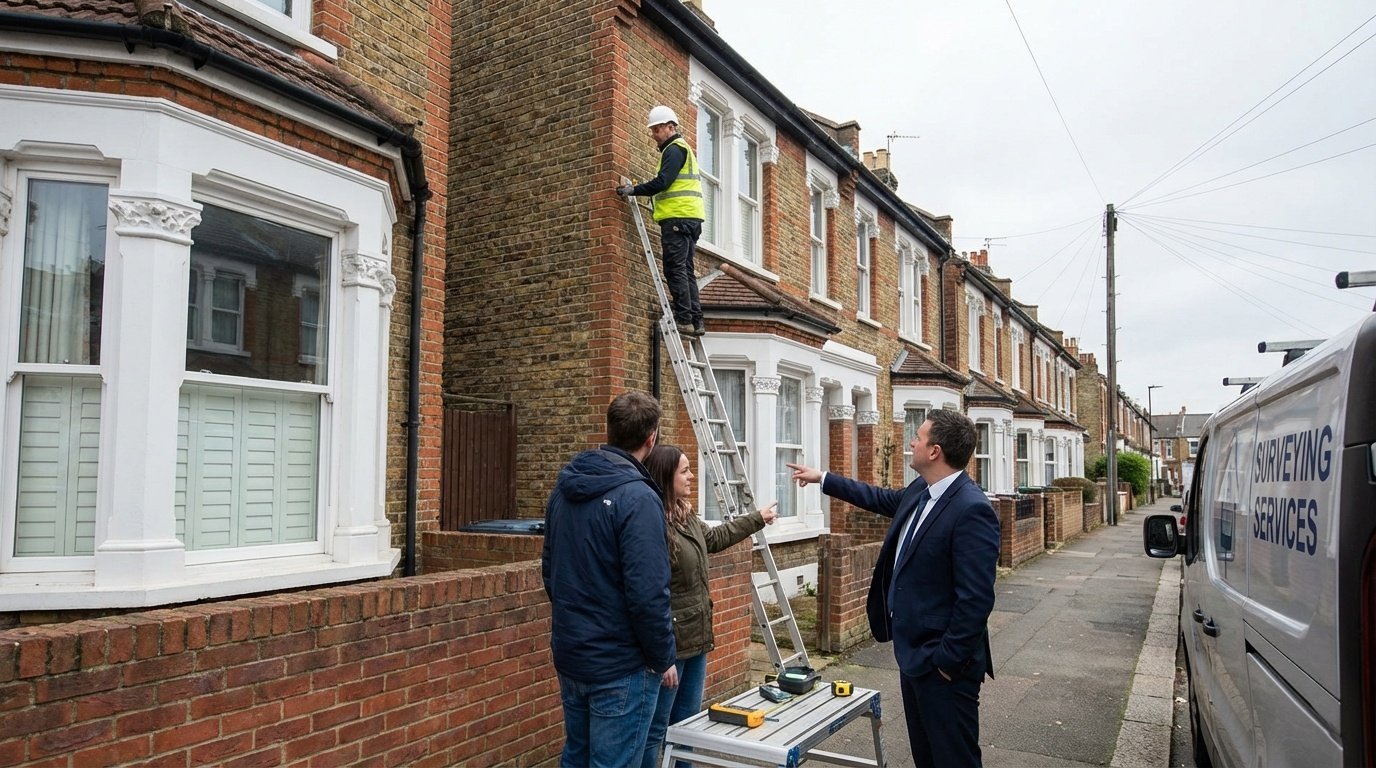
Party wall disputes arise when property owners undertake building works affecting shared walls or structures between adjoining properties under the Party Wall etc. Act 1996. Expert witness RICS chartered surveyors play essential roles as party wall surveyors resolving disputes, preparing awards, and occasionally providing expert evidence in appeals or related litigation. Understanding Party Wall Act procedures, surveyor duties, and expert evidence requirements is crucial for property owners, developers, and construction professionals navigating party wall matters.
The Party Wall etc. Act 1996 Framework
The Party Wall Act provides a statutory framework governing rights and duties of property owners undertaking works affecting party walls, boundary structures, and excavations near neighboring properties. The Act applies throughout England and Wales, creating specific procedures that building owners must follow when planning works that may affect adjoining owners' properties.
Party walls are walls or structures standing on boundaries between separately owned properties, including walls forming part of a building shared by two owners, boundary walls not part of buildings, and garden walls built astride boundaries. The Act also covers excavations within three or six meters of adjoining structures depending on depth relative to neighboring foundations.
The Act's purpose is not to prevent works but to ensure fair procedures are followed, protecting adjoining owners while allowing building owners reasonable rights to undertake necessary works. Expert witness surveyors appointed under the Act facilitate this balance, assessing proposed works, making awards authorizing works on agreed terms, and resolving disputes between neighbors regarding works execution.
Party Wall Notice Requirements
Types of Party Wall Notices
Building owners must serve statutory notices on adjoining owners before commencing party wall works. Notice types include Party Structure Notices for works to existing party walls or structures including cutting into walls, removing chimney breasts, underpinning, or altering wall thickness; Party Fence Wall Notices for new walls built on boundary lines; and Adjacent Excavation Notices (sometimes called Line of Junction Notices) for excavations within specified distances of adjoining structures.
Notices must contain prescribed information including works descriptions, execution timescales, and building owner details. Inadequate notices may invalidate procedures, requiring re-service and causing project delays. Expert party wall surveyors assist building owners in preparing compliant notices and advising on procedural requirements.
Adjoining Owner Response
Adjoining owners receiving party wall notices have 14 days to respond. Responses may consent to works unconditionally, consent subject to specific conditions, or dissent. Where adjoining owners fail to respond within 14 days, they are deemed to dissent, triggering dispute resolution procedures.
Dissent does not prevent works proceeding but requires surveyors to be appointed to prepare an award governing works execution. Many adjoining owners dissent as a precautionary measure ensuring professional oversight rather than objecting to works in principle. Understanding this procedural aspect helps building owners avoid viewing dissent as hostile opposition.
Party Wall Surveyor Appointments and Roles
Surveyor Selection Methods
When disputes arise (through dissent or deemed dissent), parties must appoint surveyors to resolve matters. Three appointment options exist: Each party appoints their own surveyor. The two appointed surveyors together select a third surveyor to chair if they cannot agree. Both parties agree to appoint a single surveyor acting for both (an "agreed surveyor"). Building owner and adjoining owner jointly appoint one surveyor with mutual consent.
Many disputes proceed with each owner appointing separate surveyors, providing independent representation while maintaining professional objectivity. Agreed surveyor appointments offer cost savings but require both parties' confidence in the surveyor's impartiality. RICS chartered surveyors with party wall specialist experience understand the delicate balance required, acting fairly toward both parties while technically appointed by one.
Duties of Party Wall Surveyors
Party wall surveyors owe statutory duties to act impartially despite being appointed by particular parties. Their primary role is making awards determining rights, obligations, and procedures for proposed works. Surveyor duties include inspecting properties and proposed works, assessing works' necessity and appropriateness, considering alternative methodologies if necessary, determining precautions to minimize inconvenience and damage, making awards documenting agreed terms and works specifications, and arranging detailed conditions of construction where appropriate.
While appointed surveyors technically represent their appointing owners' interests, they must exercise judgment fairly and reasonably. This quasi-judicial role distinguishes party wall surveyors from advocates, requiring professional independence similar to expert witnesses in litigation. Failure to act impartially may result in awards being set aside on appeal.
The Party Wall Award
Award Content and Requirements
Party wall awards are written documents recording surveyors' determinations regarding disputed works. Awards typically include descriptions of proposed works authorized, conditions and safeguards for works execution, rights of entry for inspections during works, procedures for resolving disputes during works, arrangements for expense apportionment, and time limits for works commencement.
Awards become enforceable quasi-contractual documents binding parties. Building owners must comply with award terms, and adjoining owners gain enforceable rights to insist on compliance. Properly drafted awards prevent subsequent disputes by clearly specifying expectations and procedures.
Condition schedules annexed to awards document pre-works property condition through written descriptions and photographs. These schedules provide baselines for assessing whether works caused damage, facilitating resolution of damage claims. Thorough condition schedules are essential for protecting both parties' interests.
Award Costs
The Act provides that building owners typically pay all party wall procedure costs including both surveyors' fees unless awards specify otherwise. This cost allocation reflects that building owners initiate works requiring the statutory process. Surveyor fees typically range from £750-£3,000 per surveyor depending on complexity, though major commercial projects may involve higher fees.
Fee disputes occasionally arise when adjoining owners' surveyors charge excessively or undertake unnecessary work. The third surveyor may be required to resolve fee disputes where appointed surveyors cannot agree on reasonable fee levels. Transparency about fees and scope from the outset helps prevent such disputes.
Common Party Wall Disputes
Damage Claims
Disputes frequently arise over whether building works caused damage to adjoining properties. Damage claims may involve structural cracking from vibration or subsidence, water penetration from disturbed waterproofing, decoration damage from impact or dust, or service disconnections or disruptions.
Party wall surveyors investigate damage claims by comparing post-works condition against pre-works condition schedules, assessing whether works could have caused alleged damage, determining appropriate remediation, and making awards for compensation or repair. Where surveyors cannot agree, the third surveyor resolves disputes based on evidence and inspection.
Establishing causation requires expert analysis distinguishing damage genuinely caused by works from pre-existing conditions or unrelated causes. Building defect expertise assists this analysis, requiring understanding of structural behavior, building pathology, and construction impacts on existing structures.
Specification Disagreements
Adjoining owners may object to proposed works methodologies, arguing that alternative approaches would reduce risk or disruption. Surveyor judgment is required to determine whether building owners' proposals are reasonable or whether modifications should be required through award conditions.
Balancing building owners' rights to undertake necessary works against adjoining owners' legitimate concerns requires technical competence and professional judgment. Surveyors must distinguish between reasonable protective conditions and obstructive demands exceeding statutory requirements.
Access Disputes
The Act provides building owners with rights to access adjoining land to execute party wall works where reasonably necessary. Disputes arise over access extent, timing, and conditions. Awards should specify access arrangements clearly, including permitted areas, working hours, and requirements for making good any disturbance to adjoining land.
Where adjoining owners unreasonably refuse necessary access despite awards authorizing it, enforcement proceedings may be required. Conversely, building owners abusing access rights face potential liability for trespass beyond authorized scope.
Appeals Against Party Wall Awards
Grounds for Appeal
Parties dissatisfied with awards may appeal to County Courts within 14 days of award service. Appeal grounds include failure to comply with statutory procedures, surveyor bias or failure to act impartially, awards that are unreasonable, arbitrary, or contrary to evidence, and failures to consider relevant matters or consideration of irrelevant factors.
Appeals are not rehearings but reviews of whether surveyors acted reasonably within proper bounds of judgment. Courts show considerable deference to surveyors' technical decisions, interfering only where clear errors or procedural irregularities are demonstrated. The threshold for successful appeals is therefore high.
Expert Evidence in Appeals
Appeal proceedings may require expert witness evidence from RICS surveyors on whether awarded terms are reasonable, appropriate, and compliant with the Act. This expert evidence differs from the original surveyor role—appeal experts are not party wall surveyors for the dispute but independent expert witnesses opining on whether appointed surveyors acted appropriately.
Expert evidence in appeals addresses whether surveyor reasoning was defensible, awards were within the range of reasonable professional judgment, and procedures followed statutory requirements. While courts respect surveyor judgment, expert evidence can demonstrate instances where judgment clearly exceeded reasonable bounds or ignored relevant considerations.
Party Wall Works in Practice
Common Works Requiring Notices
Typical residential works triggering Party Wall Act procedures include loft conversions involving raising party walls, basement excavations near neighboring foundations, extensions requiring works to party walls, removing chimney breasts passing through party walls, cutting into party walls for steel beam insertions, and underpinning party or boundary walls.
Commercial developments often involve more extensive party wall works including major excavations, structural alterations to party walls, and demolitions affecting adjoining structures. The complexity of commercial projects typically requires more detailed awards with comprehensive protective conditions and monitoring requirements.
Protective Measures and Monitoring
Awards commonly impose protective conditions including structural monitoring before, during, and after works using crack monitors or precise leveling surveys, underpinning or temporary support to prevent subsidence, protective screens, barriers, or hoardings, dust and noise control measures, working hours restrictions, and insurance requirements covering party wall risks.
Professional monitoring by structural engineers or building surveyors provides evidence of structural movement or stability during works execution. Early detection of problems allows preventive action before significant damage occurs, protecting both building owners and adjoining owners.
The Role of RICS Accredited Party Wall Surveyors
RICS sets professional standards for party wall surveyors through practice notes and competency frameworks. RICS registered surveyors demonstrate specialist knowledge of the Party Wall Act, statutory procedures, technical construction matters, and professional obligations including impartiality and independence.
Selecting RICS accredited party wall surveyors ensures compliance with professional standards and provides recourse through RICS complaints procedures if service quality concerns arise. Insurance requirements for RICS members provide additional protection where errors cause loss. Our RICS expert witness team includes experienced party wall specialists handling residential and commercial projects across London and nationwide.
Relationship Between Party Wall Matters and Boundary Disputes
Party wall issues sometimes overlap with boundary disputes where uncertainty exists over boundary locations affecting party wall jurisdiction. The Party Wall Act assumes boundaries are established—it does not determine boundary positions. Where boundary positions are disputed, resolution may be necessary before party wall procedures can progress.
Expert boundary evidence may be required to establish whether structures are truly party walls straddling boundaries or whether they lie entirely within one owner's land affecting party wall notice requirements. Integrated advice on both boundary and party wall matters from appropriately qualified surveyors provides efficient resolution of interconnected issues.
Conclusion: Expert Resolution of Party Wall Matters
Party wall disputes require specialized expertise combining knowledge of the statutory framework, construction technical matters, and dispute resolution skills. Party wall surveyors fulfill unique roles blending technical assessment with quasi-judicial decision-making, protecting both building owners' rights to undertake necessary works and adjoining owners' rights to fair procedure and protection from damage.
Whether appointing party wall surveyors for building projects, responding to neighbors' party wall notices, or pursuing appeals against awards, professional guidance from experienced RICS chartered surveyors ensures compliance with statutory obligations and fair resolution of contentious issues. The Party Wall Act provides robust procedures for managing construction-related disputes between neighbors when properly implemented by qualified surveyors.
Our party wall specialist team provides comprehensive services including surveyor appointments, award preparation, damage assessment, and expert witness evidence for appeals. With extensive experience across residential and commercial projects, we deliver professional, impartial service protecting clients' interests while maintaining constructive neighbor relations. Contact our party wall experts to discuss your requirements and how we can assist with party wall procedures.
Frequently Asked Questions About Party Wall Disputes
Do I need my neighbor's permission for building works?
You don't need permission, but you must follow Party Wall Act procedures serving notices and, if necessary, appointing surveyors. The Act provides rights to undertake reasonable works while ensuring fair procedures and damage protection for neighbors.
What happens if I don't serve party wall notices?
Proceeding without complying with Party Wall Act procedures exposes you to legal action including injunctions halting works and damages claims. Additionally, failure to follow procedures may breach building control requirements, complicating completion and future sales.
Who pays for party wall surveyors?
Building owners typically pay all party wall procedure costs including both surveyors' fees unless awards provide otherwise. This reflects that building owners initiate works necessitating the statutory process. Fees are generally reasonable and proportionate to works scope.
Can my neighbor stop my building works?
No, the Party Wall Act does not give neighbors veto powers over works. They can dissent triggering surveyor appointments, but surveyors will make awards permitting reasonable works with appropriate safeguards. Works can proceed in accordance with awards even if neighbors object.
How long do party wall procedures take?
If neighbors consent, works can proceed after notice periods (typically two months). If disputes arise requiring awards, procedures typically take 2-3 months from notice service to award, though complex cases may take longer. Plan timelines to accommodate statutory procedures.
What if my neighbor's works damage my property?
Party wall surveyors investigate damage claims comparing pre-works condition schedules against current condition. If works caused damage, building owners must fund repairs. Awards can require repairs or compensation. Surveyors facilitate fair damage resolution based on evidence.
Party Wall Surveyor Services
Expert party wall surveyors providing statutory appointments, awards, damage assessments, and dispute resolution nationwide.
Appoint Our Surveyors